Colors Rooted in Slovenia’s Mountains and Meadows

Today we journey into natural dyes and local fibers shaping eco‑conscious textile practices across Slovenia, meeting growers, shepherds, spinners, and dyers who transform plants and wool into lasting colors and textures. Expect practical steps, heartfelt stories, and actionable ideas you can try at home while supporting regional biodiversity, rural livelihoods, and a slower, kinder relationship with clothes.

From Pasture and Field to Yarn and Cloth

Follow the material’s honest path from alpine pastures and valley fields into warm yarns and breathable cloth. Small Slovenian flocks, flax plots, and hemp rows offer resilient fibers, processed in modest mills where skill, patience, and careful scouring preserve strength, reduce waste, and honor landscapes that give so generously.

Color Grown in Gardens, Forests, and Karst

Pigments whisper through leaves, bark, roots, and husks across valleys, coasts, and limestone plateaus. Grow a dye border at home, barter with neighbors, or join foraging walks that emphasize permissions, plant identification, and restraint, so color harvests protect pollinators, soils, waterways, and the quiet cycles sustaining future dye seasons.

Walnut, Alder, and Onion: Everyday Browns with Depth

Kitchen skins and local trees gift astonishing complexity. Walnut hulls, alder cones, and onion skins produce fast, smoky browns without metal-heavy additives, especially when teamed with tannin-rich pre-soaks. Keep notes on water hardness, temperature, and material weight to repeat subtle nutmeg, chestnut, and tobacco shades reliably.

Indigo the Gentle Way

For blues, favor fructose or iron-reduced vats over harsh synthetics, using woad or imported indigo thoughtfully. Maintain pH with calcium carbonate, feed the vat with fruit sugars, and minimize aeration. Dip patiently, oxidize fully, and rinse in reclaimed water, revealing layered skies from pale mist to midnight.

Sunlit Yellows and Meadow Greens

Goldenrod, chamomile, birch leaves, and apple prunings yield joyous yellows that shift toward green with a post-bath in iron. Balance luminosity and fastness by under-dyeing with tannins, then layering. Record seasonal variations, because spring growth, midsummer heat, and autumn sugars each color the pot differently.

Water, Mordants, and Energy with Integrity

Honest Water Stewardship

Settle dye particles before draining, filter greywater through gravel and reeds, and reuse pre-wash baths for scouring rags or studio cleaning. Share community basins at workshops to reduce overall draw, and publish your water footprint alongside product tags to inspire transparent, practical improvements.

Mordants that Respect Skin and Soil

Lean on alum at sensible rates, boosted by tannins from gallnuts or sumac leaves, and shift tones with tiny iron sips rather than heavy after-baths. Wear gloves, ventilate pots, label containers clearly, and store salts securely away from curious hands, pets, and food areas.

Low-Energy Heat and Thoughtful Timing

Solar dye jars steep all summer with no grid demand, while insulated kettles hold temperature using minimal firewood or pellet heat. Batch work to fill each pot efficiently, and plan hues seasonally so color desires match the weather, the calendar, and your neighborhood’s energy rhythms.

Heritage Threads and New Collaborations
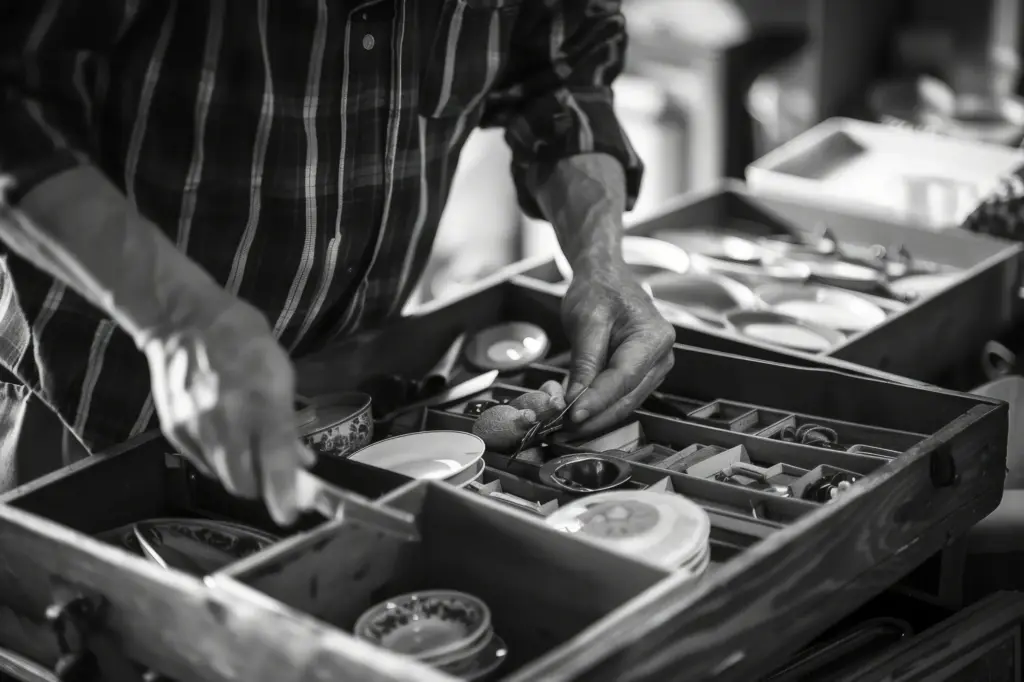
Craft in Slovenia lives where tradition meets experiment: bobbin lace from Idrija, alpine knitting circles, and student studios in Ljubljana trading notes with village weavers. Partnerships keep skills alive, ensure fair prices, and connect garments to places through stories that outlast trend cycles and quick commerce.

Patterns that Eat Their Scraps

Zero-waste layouts nest collars, pockets, and cuffs inside each other like careful puzzle pieces, using bias where drape is needed and straight grain where stability matters. Teach layouts at community nights, and compare yield notes to push efficiency further without sacrificing comfort, dignity, or expressive movement.

Repair as Celebration

Keep visible mending threads beside the kettle, and schedule monthly gatherings where neighbors trade needles, stories, and spare yarns. A sashiko patch or darning star becomes biography on cloth, honoring scuffs from mountain walks, market days, and the long, good work of daily life.

End-of-Life with Care

Before discarding, remove metal findings, salvage buttons and zippers, and separate plant fibers from animal fibers. Test for finishes, then compost only what soil life can digest. Share the rest through repair cafes, material libraries, or school art cupboards to extend usefulness kindly.
Testing, Records, and Repeatable Color


Beautiful results deserve reliable methods. Keep a dedicated notebook, calibrated scales, and labeled swatches for every dye pot. Track water source, fiber type, scouring recipe, temperature curves, additives, and exposure tests, then share your findings openly so communities build dependable palettes across seasons, fibers, and evolving studios.

Join, Share, and Keep the Colors Alive

Your voice sustains this work as surely as sun and rain. Comment with questions, share experiments, and subscribe for monthly field notes from gardens, mills, and studios. Bring a friend to a workshop, photograph your swatches, and help beginners feel welcome, confident, and wonderfully curious.
Tarilaxinexopalotemipexi
Privacy Overview

This website uses cookies so that we can provide you with the best user experience possible. Cookie information is stored in your browser and performs functions such as recognising you when you return to our website and helping our team to understand which sections of the website you find most interesting and useful.